BRC Blog: Land Protection and Stewardship Fellow Abbey Rankins
In her own words: Land Protection and Stewardship Fellow Abbey Rankins on her recent course at Highlands Biological Station
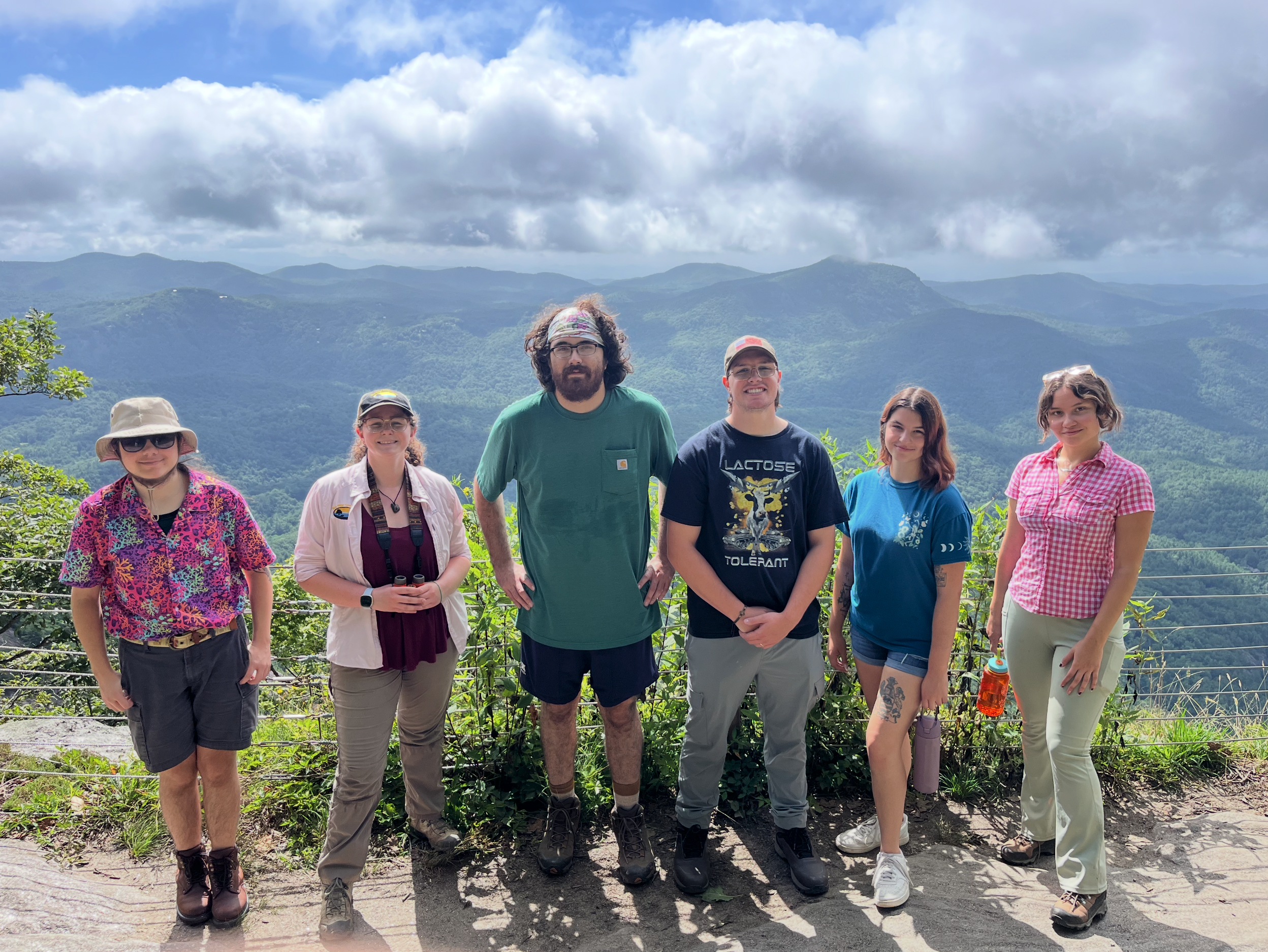
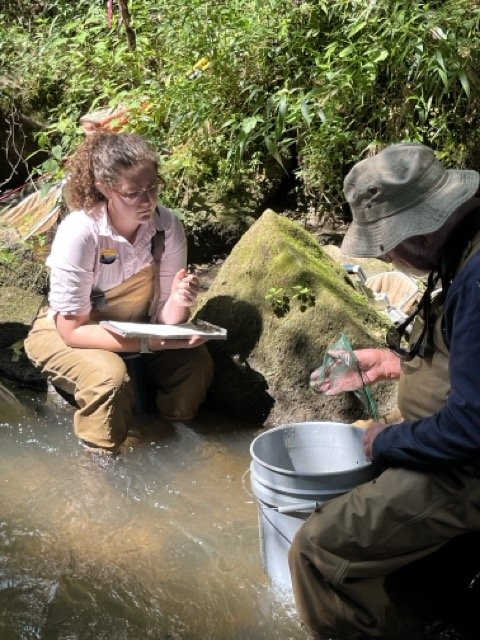
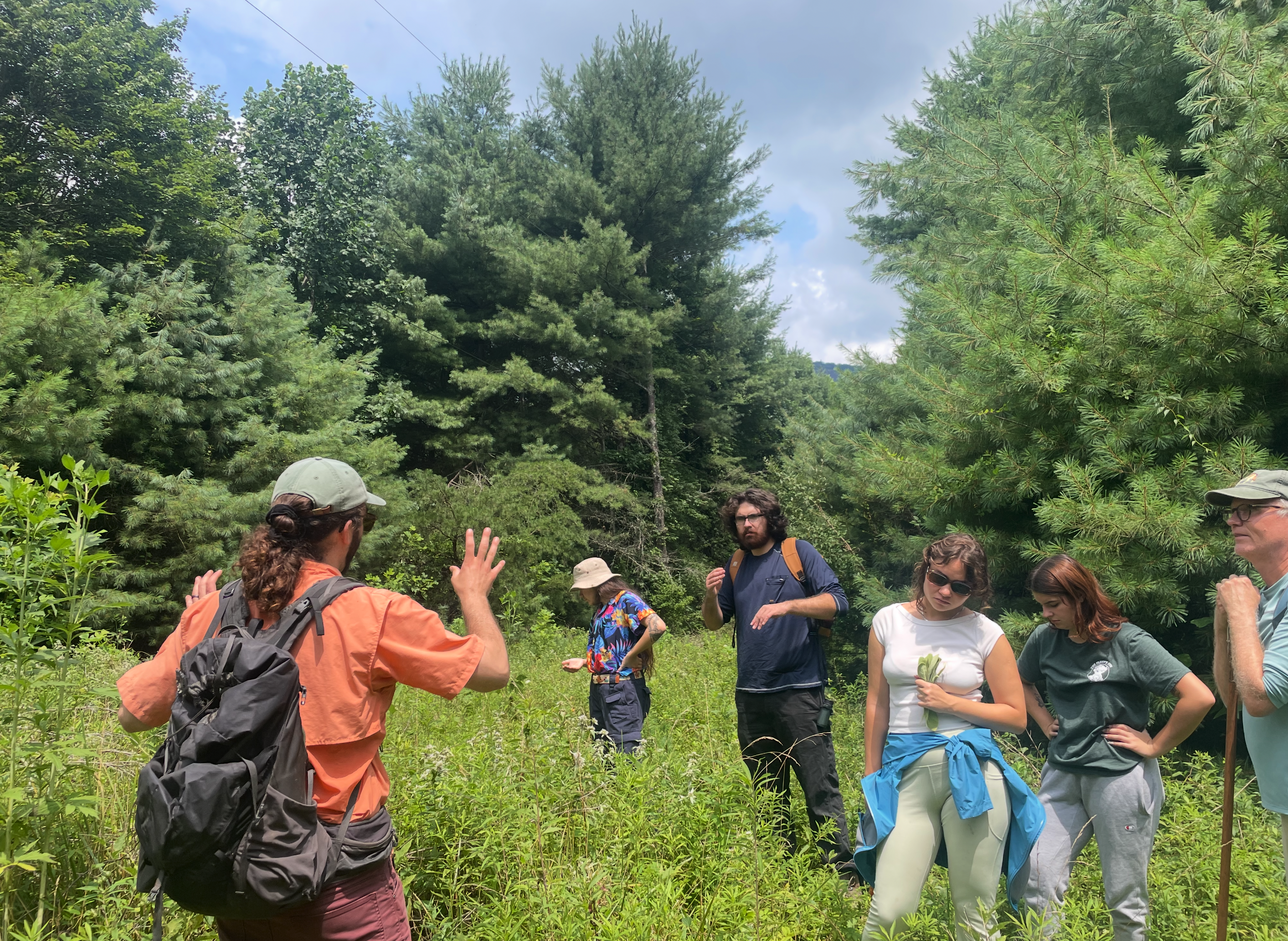
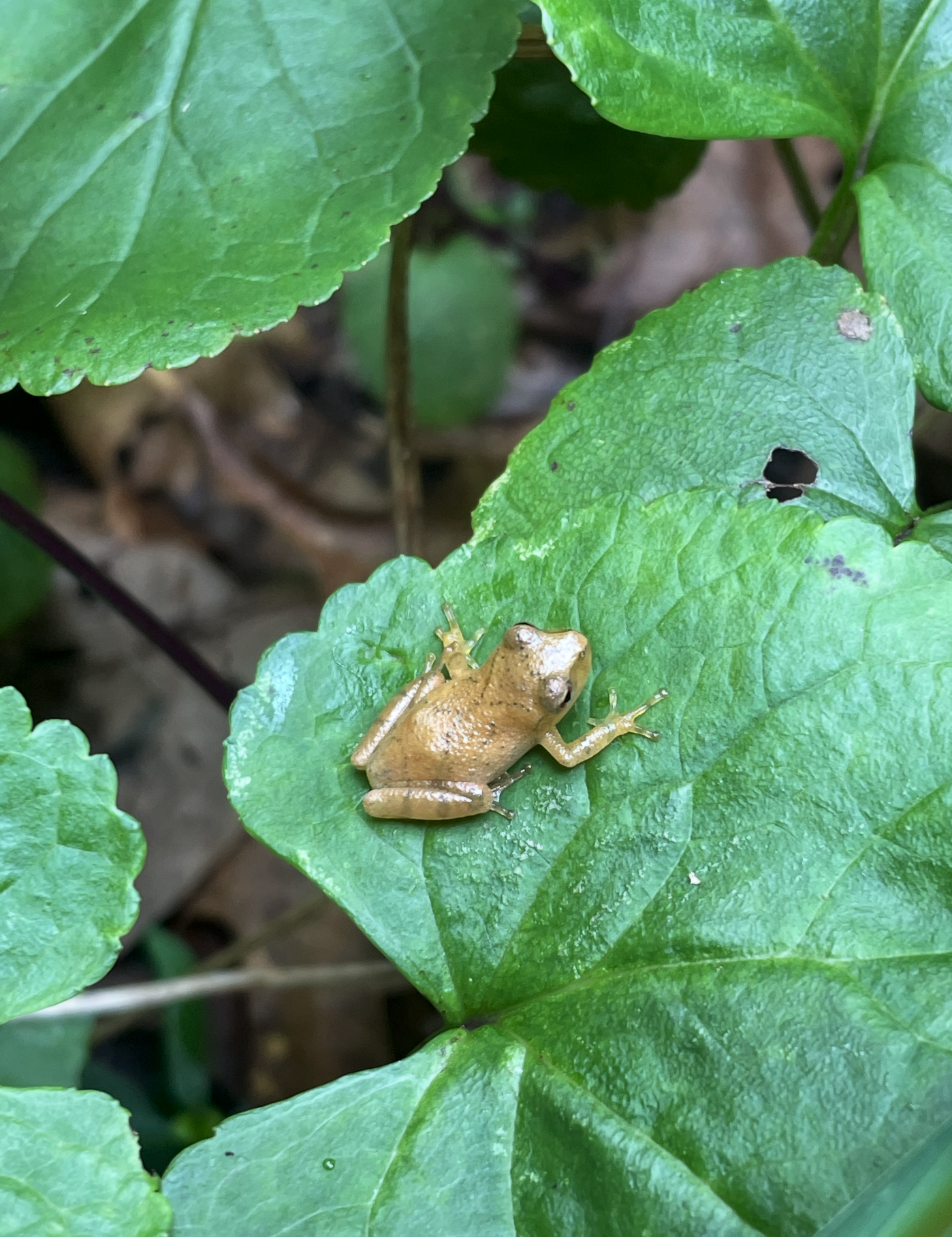
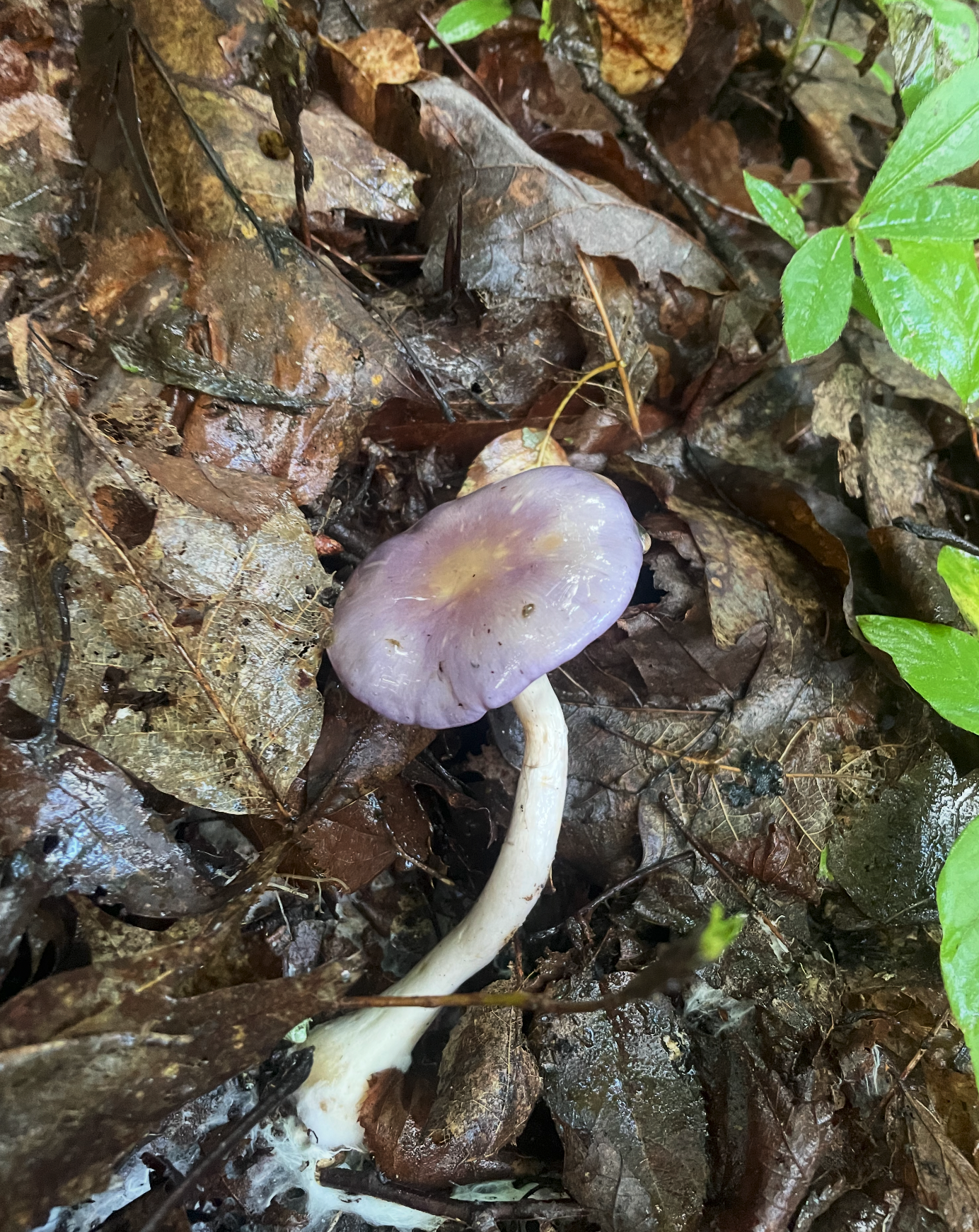
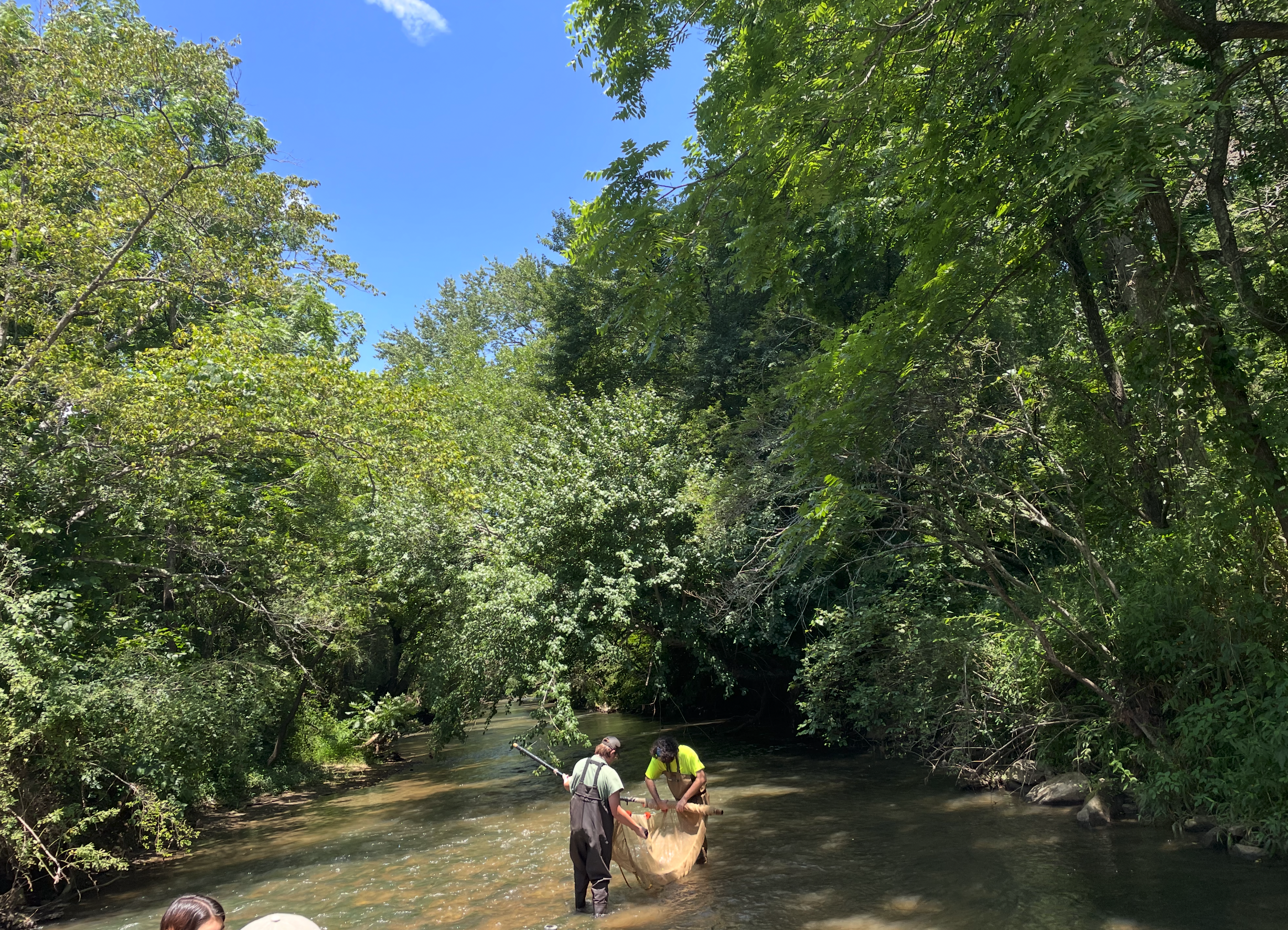
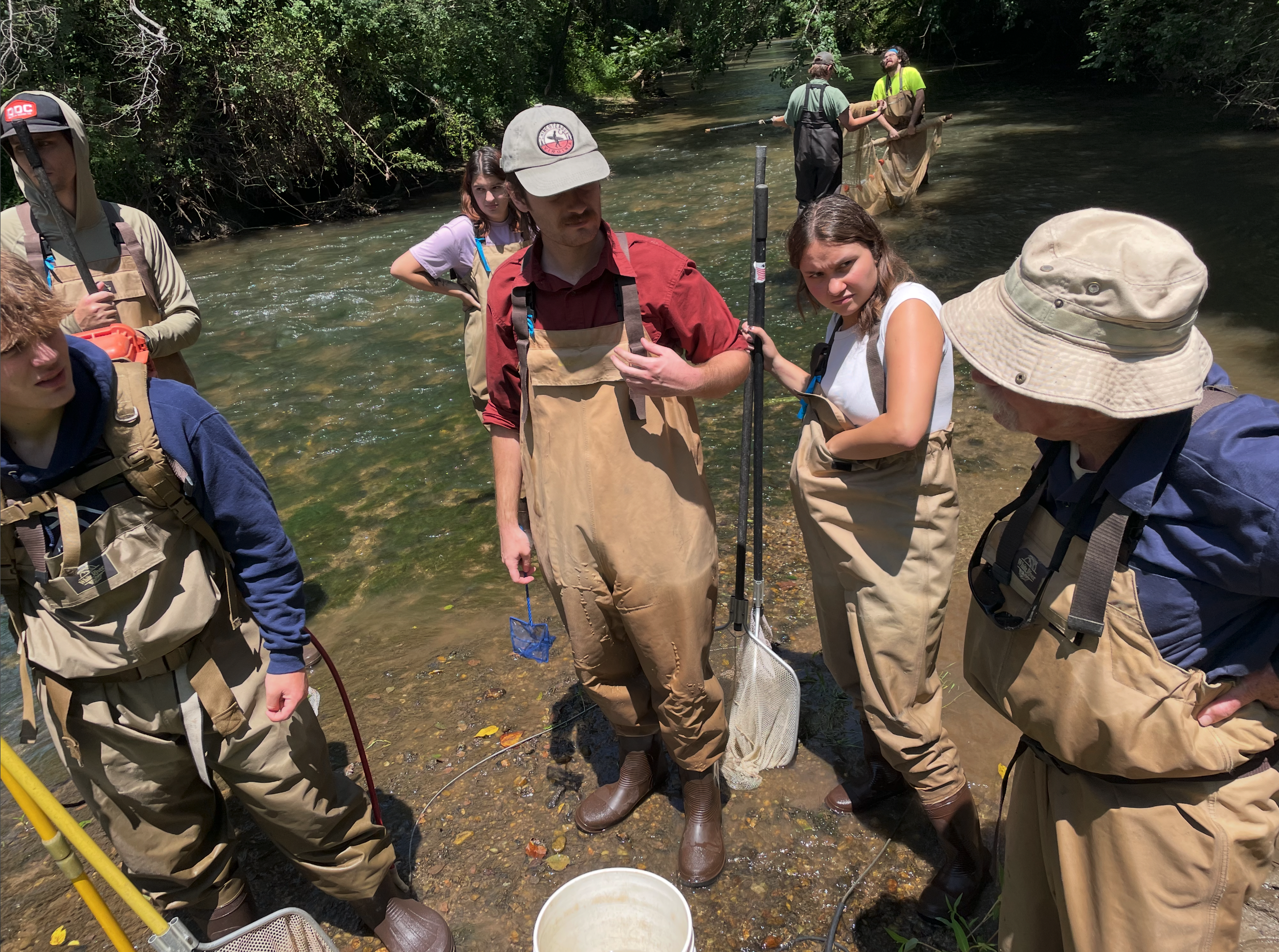
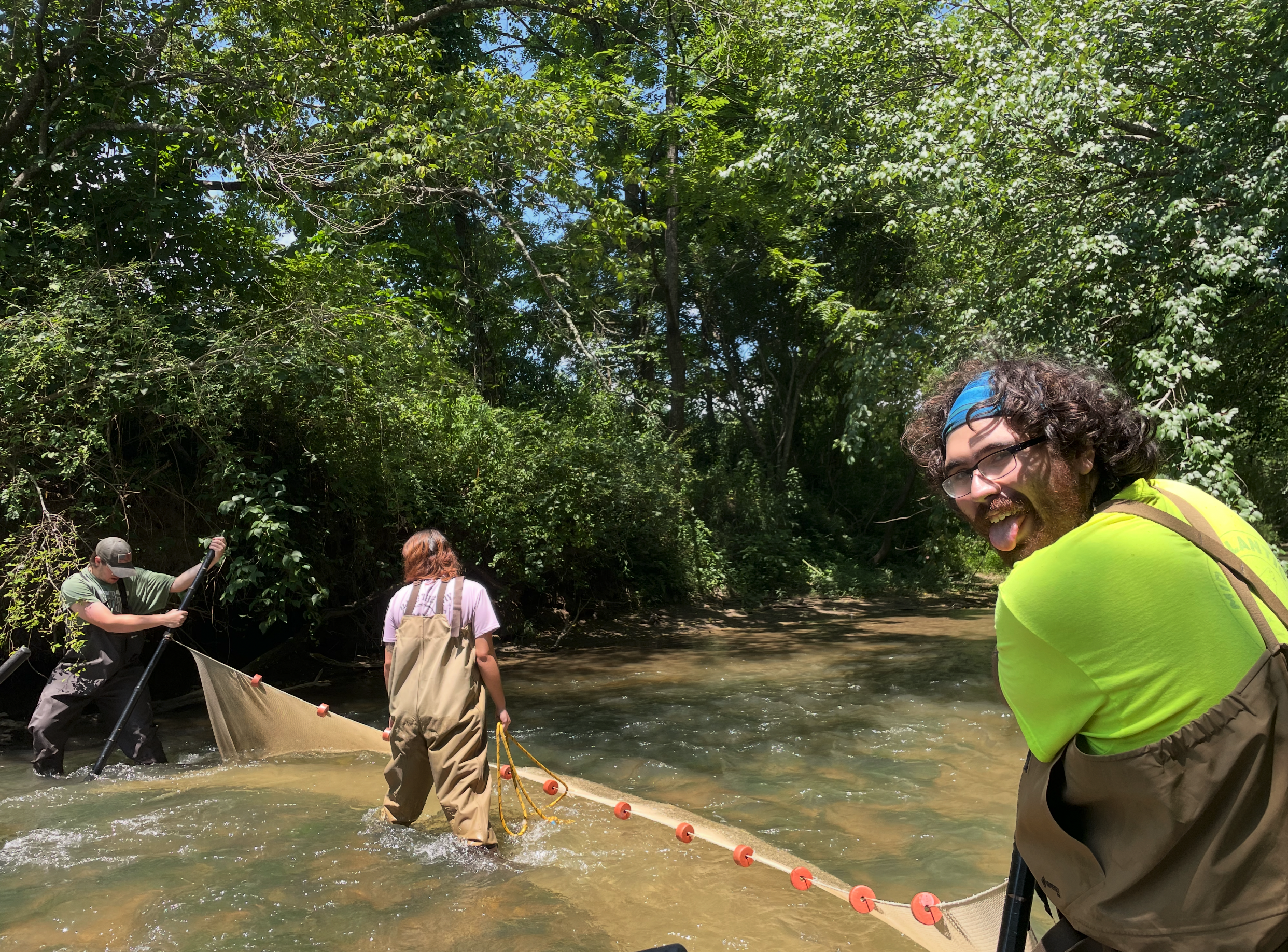
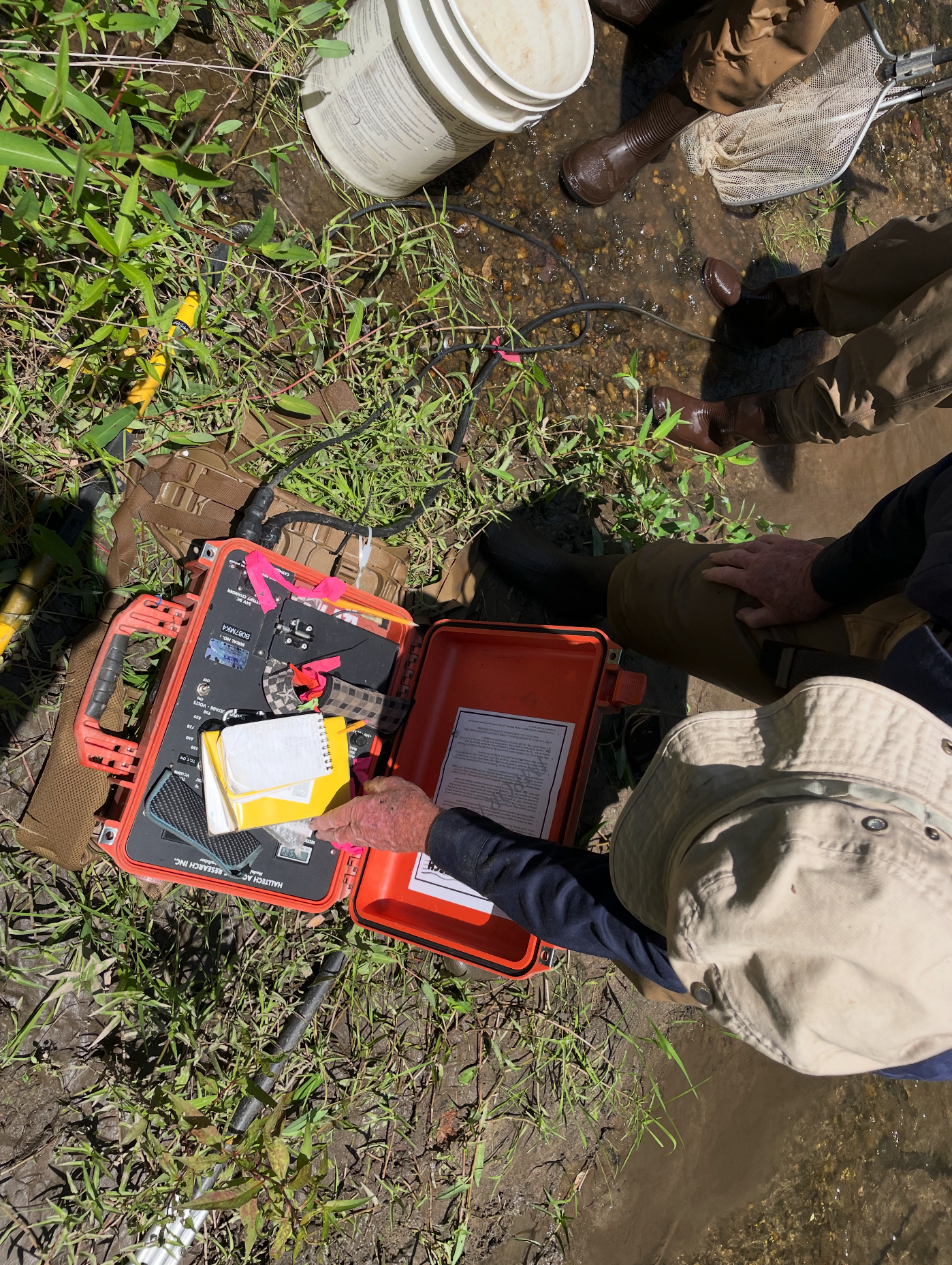
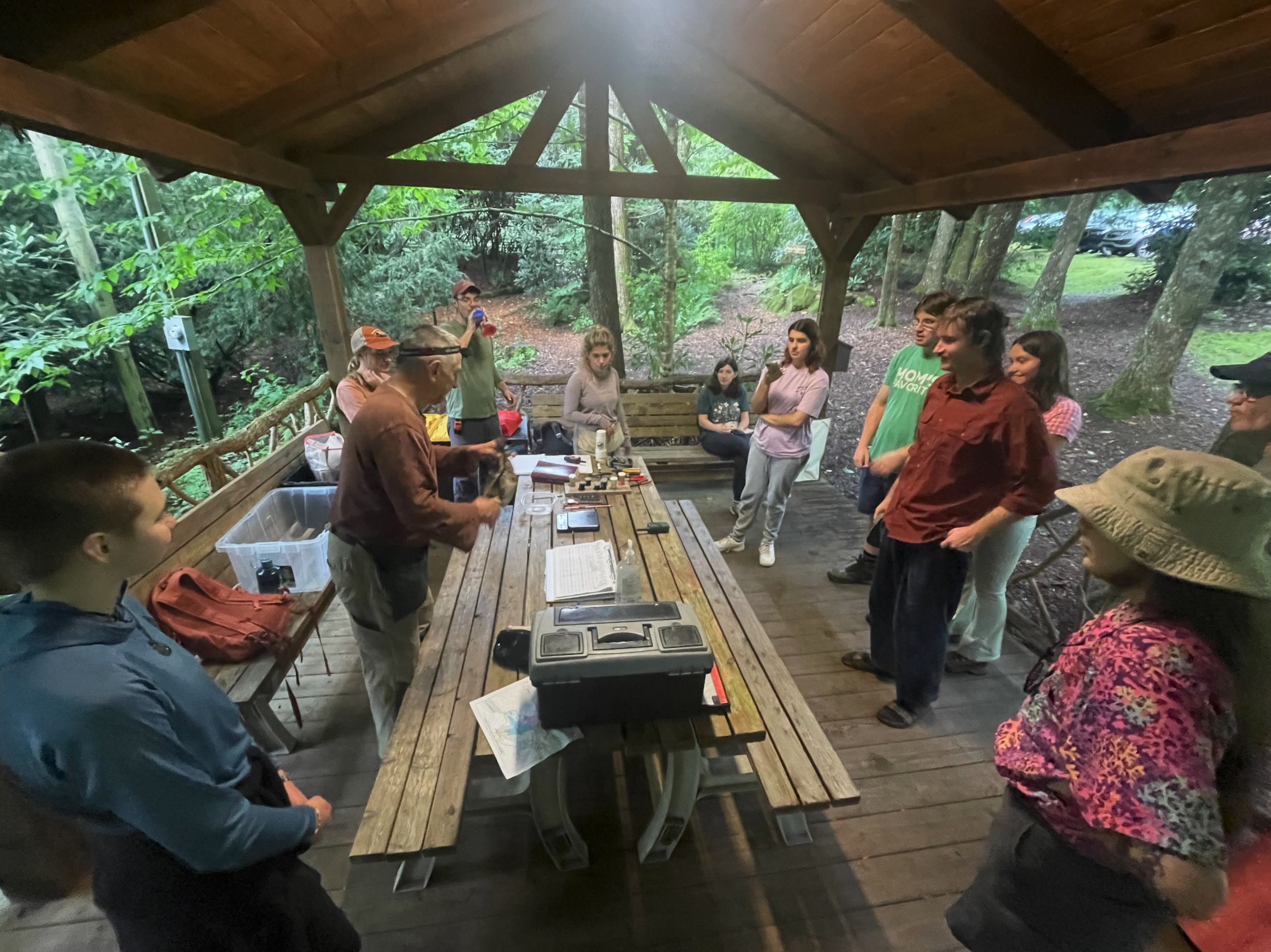
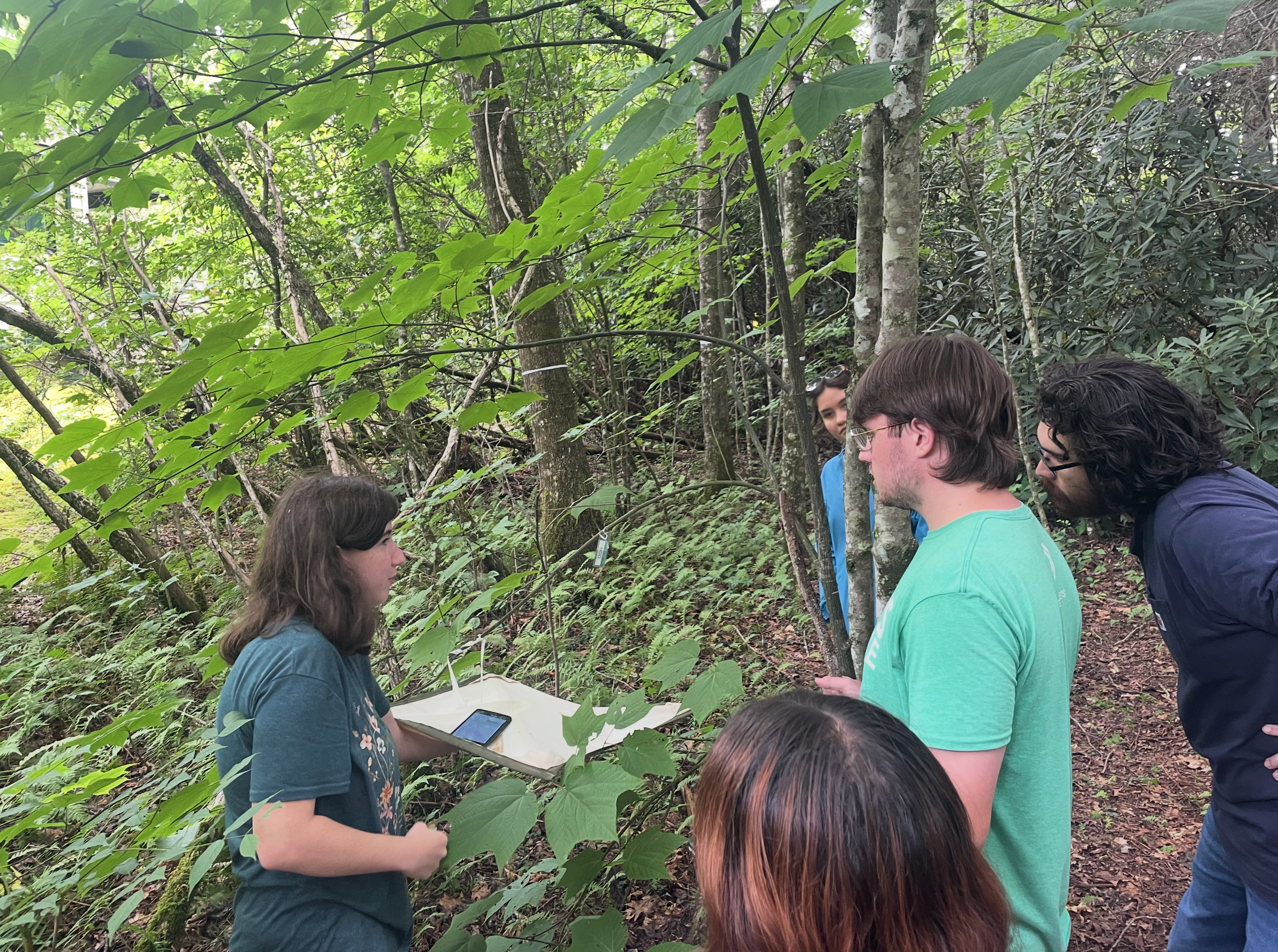
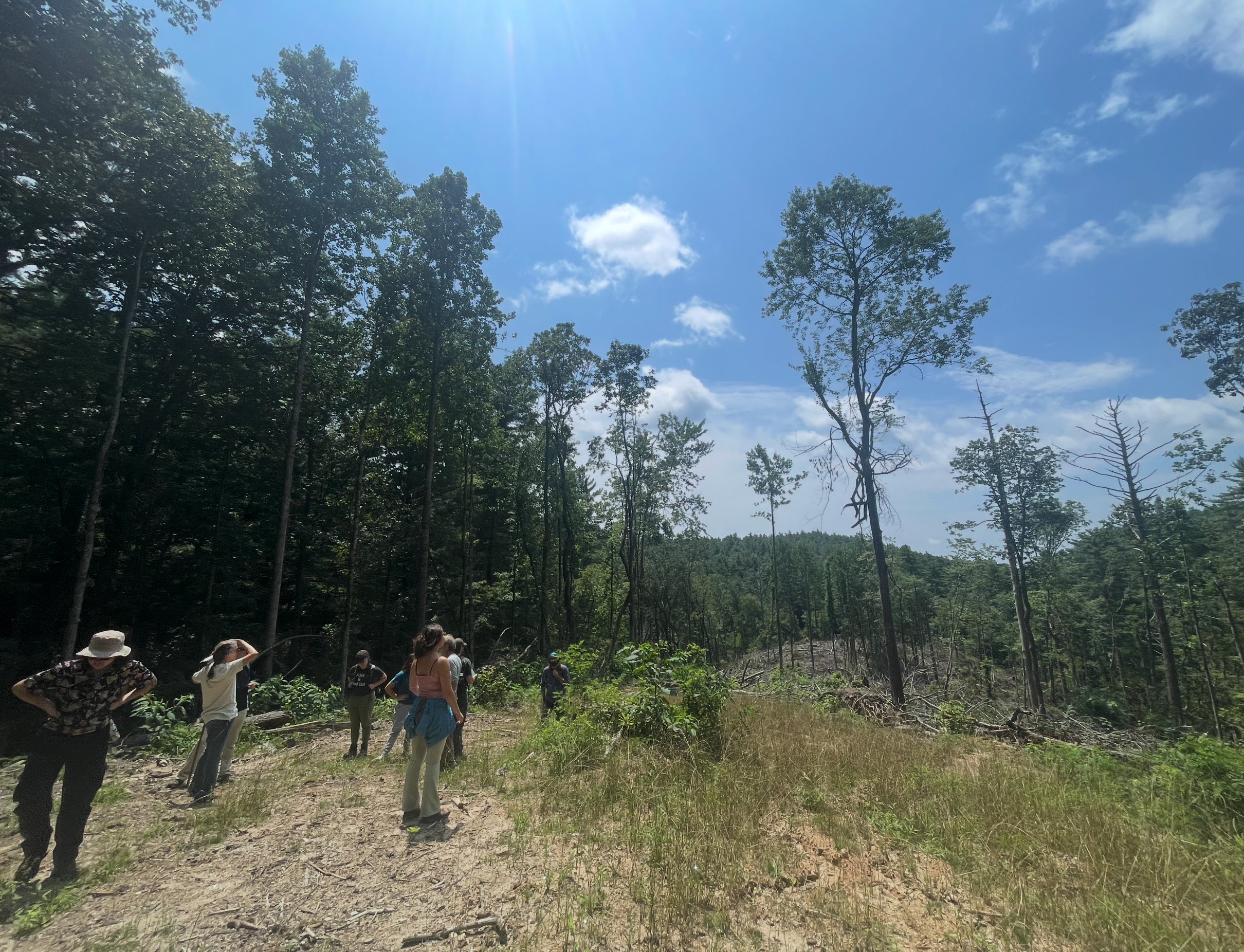
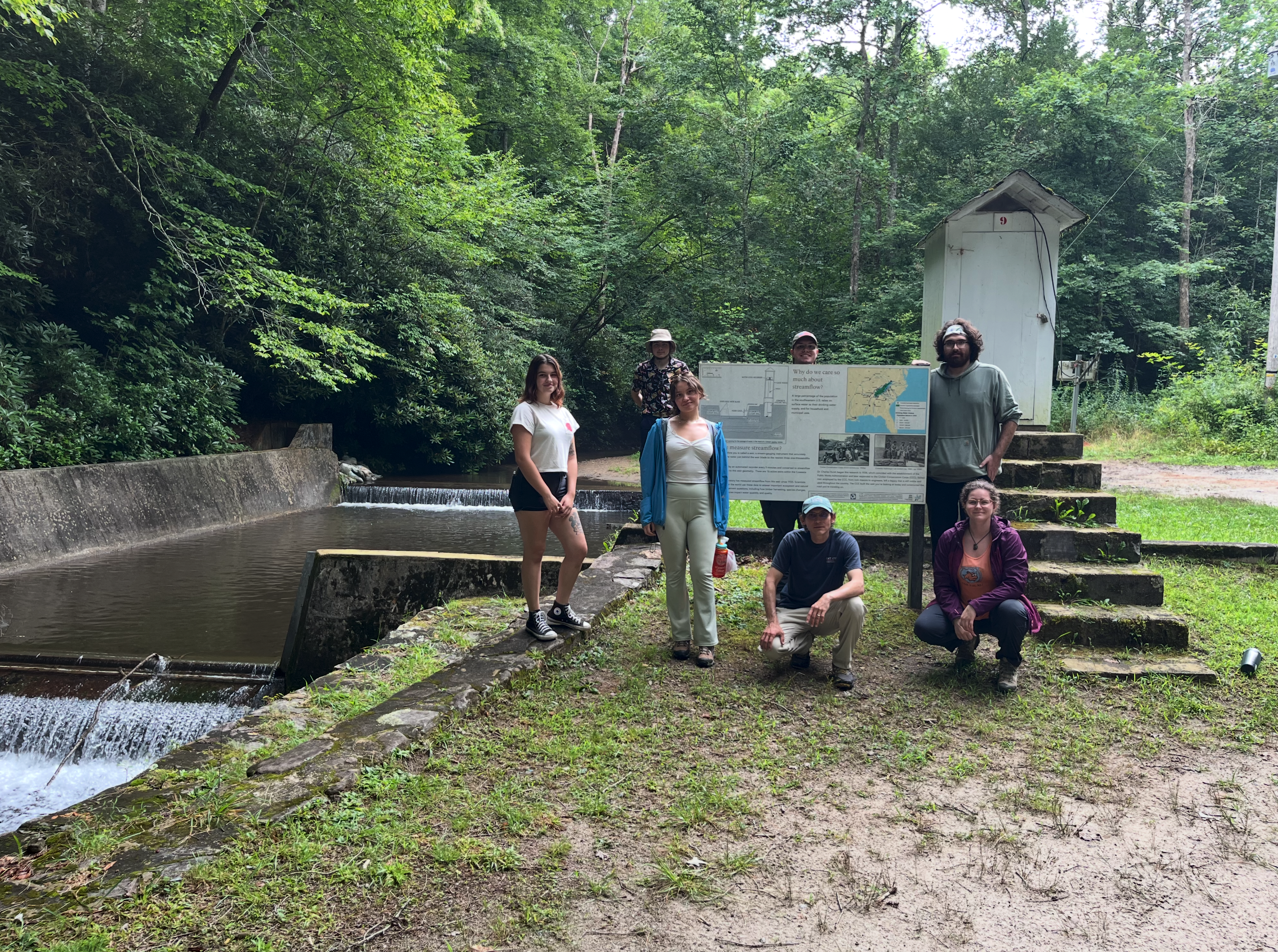
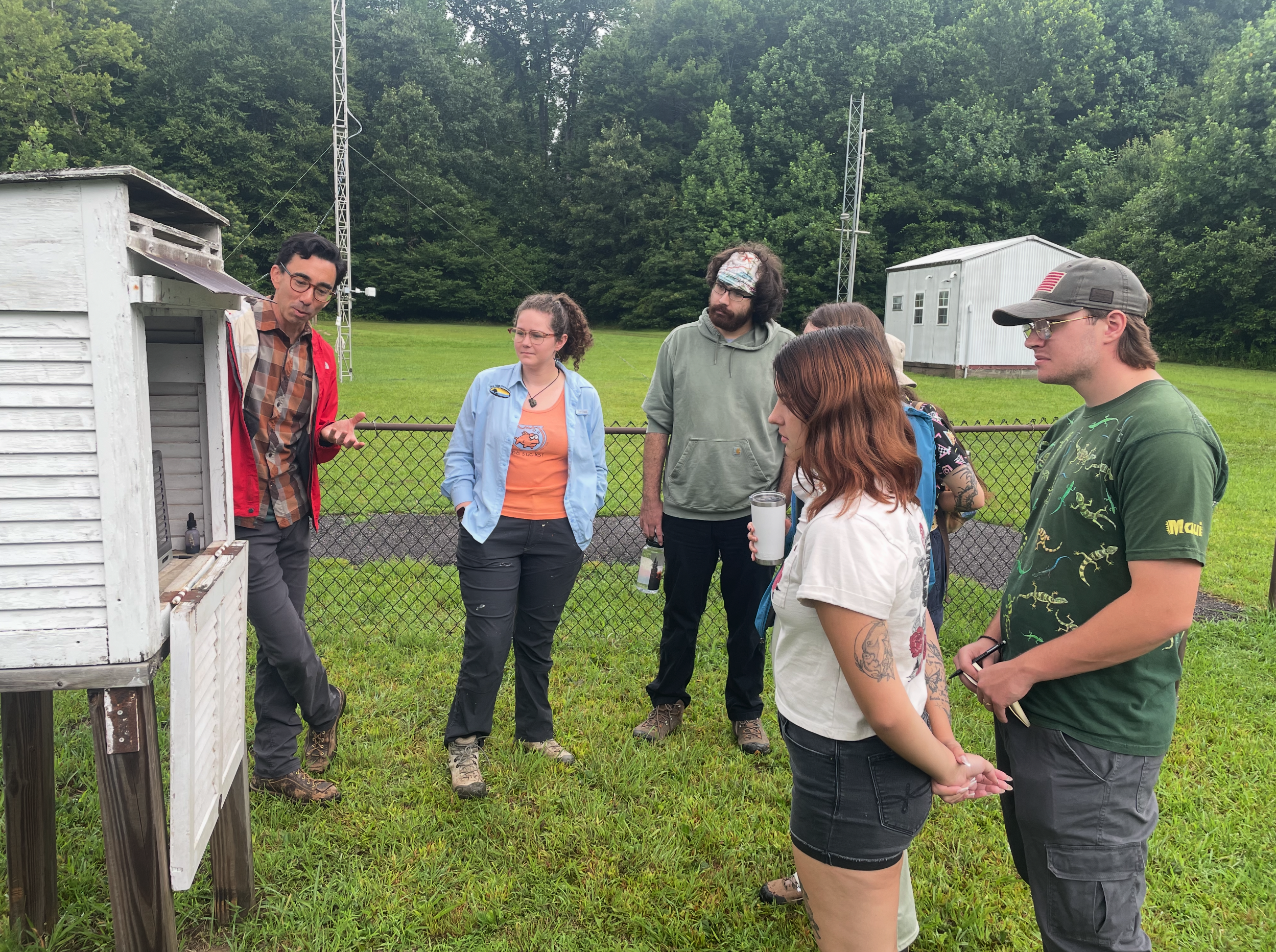
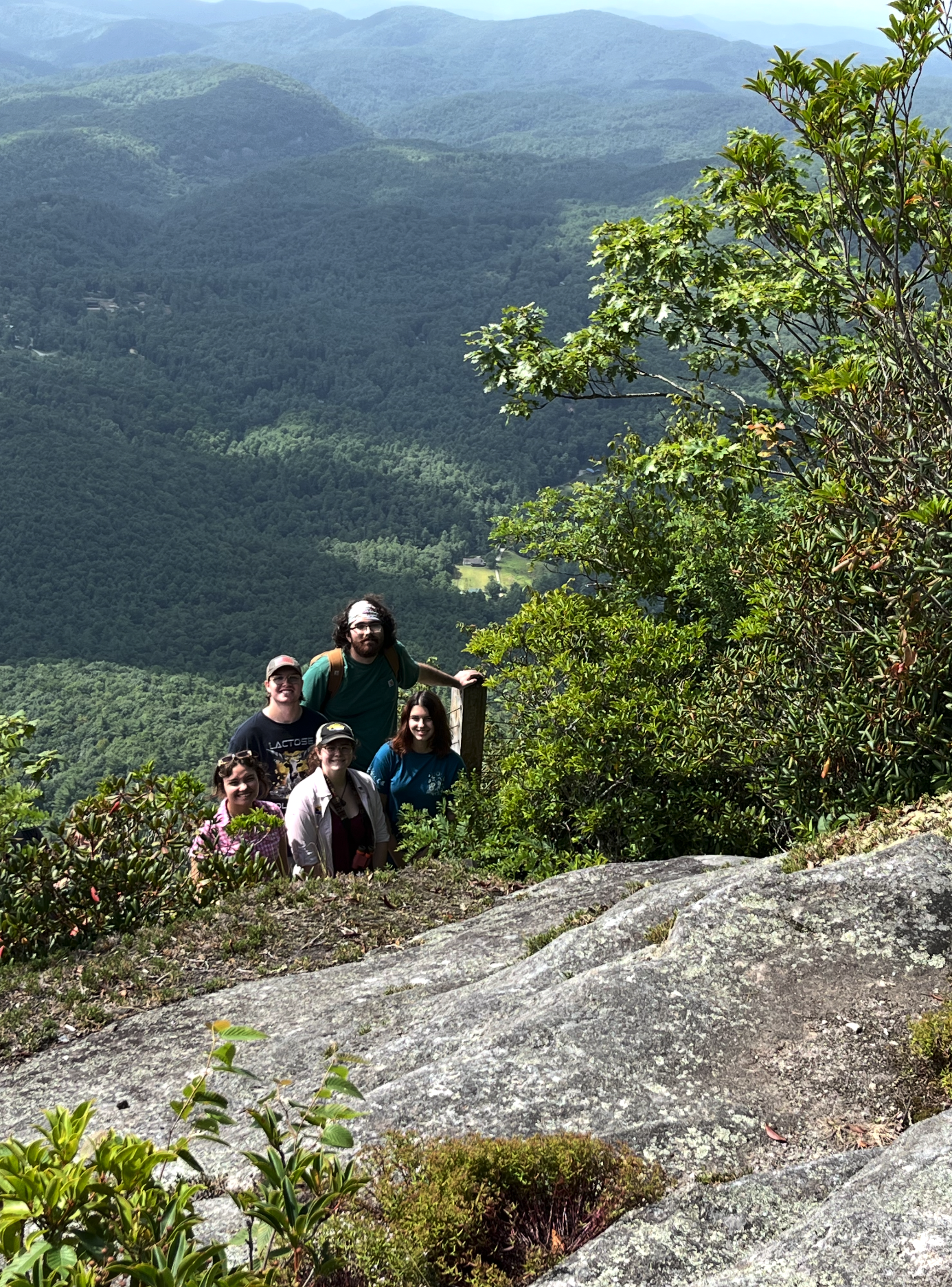
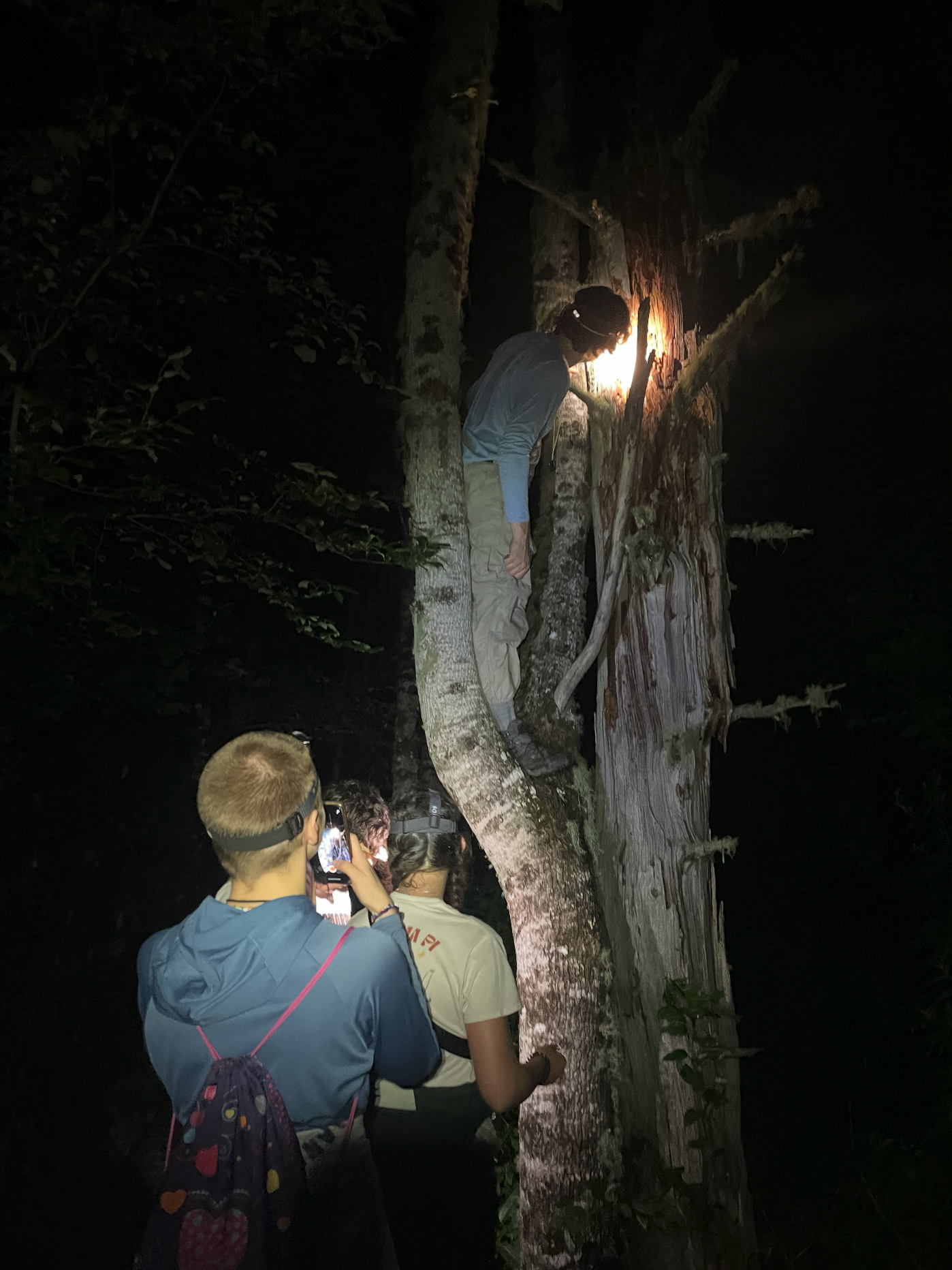
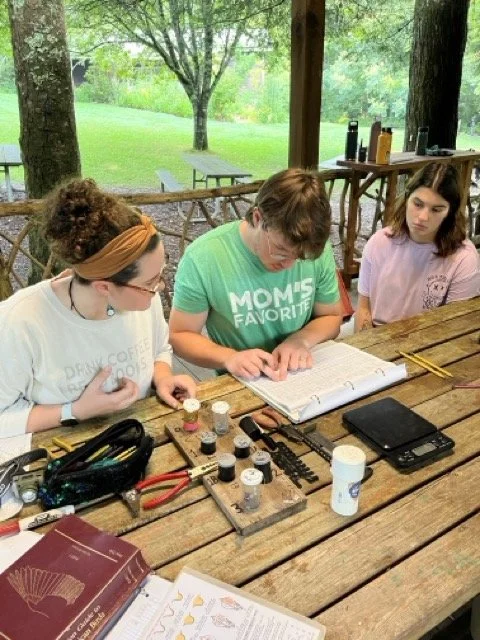
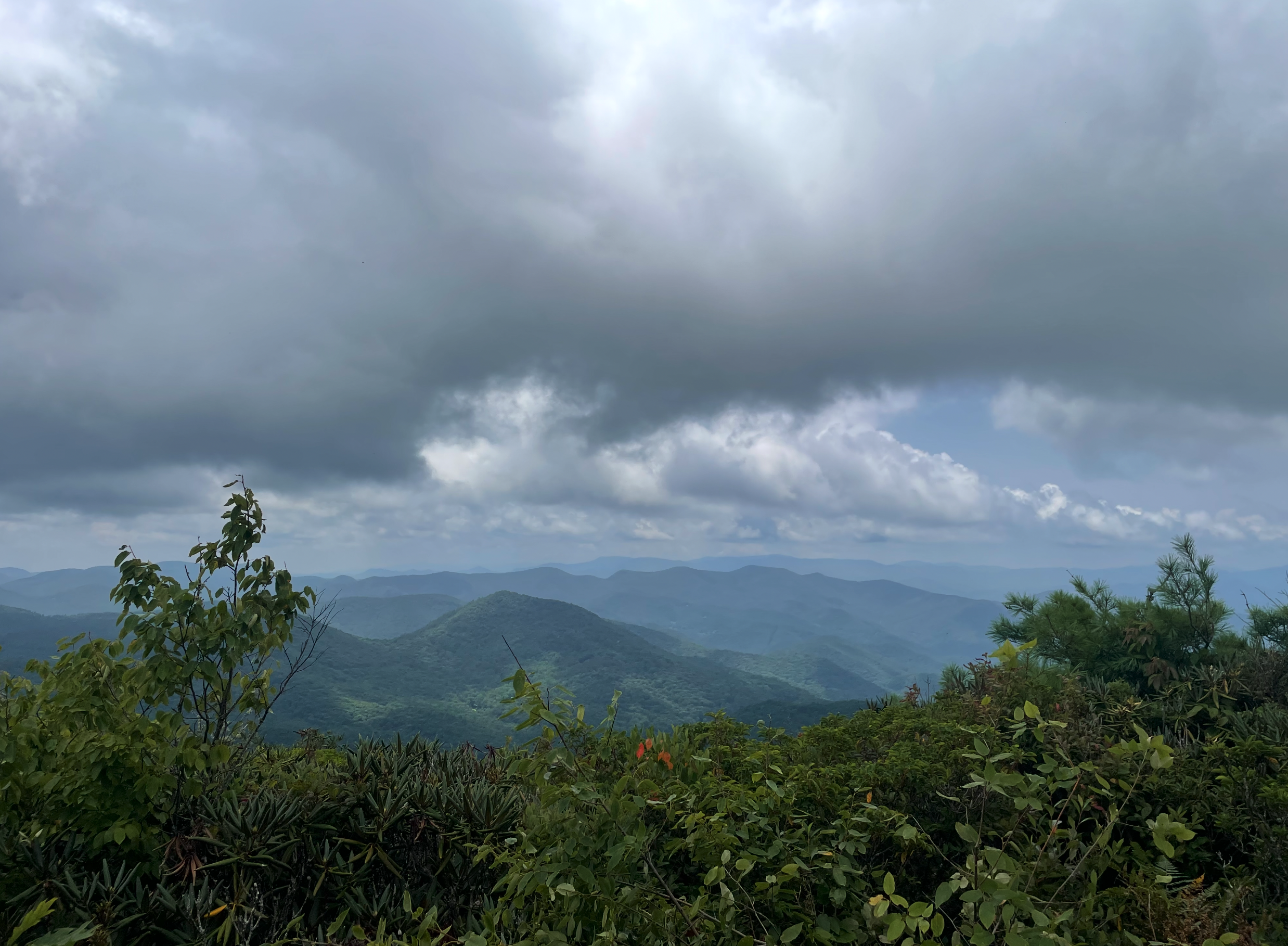
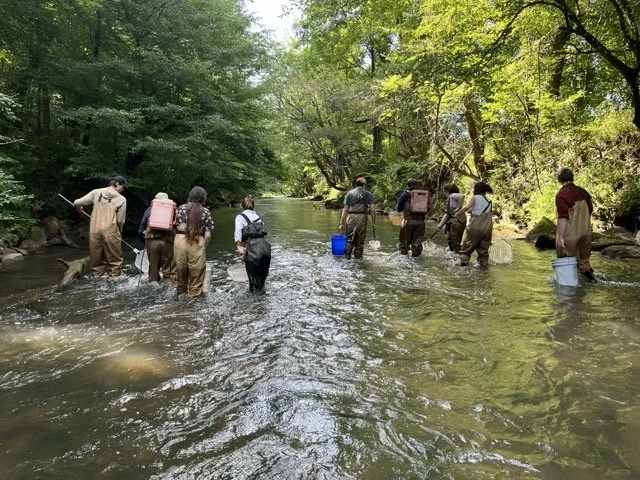
"For the past two weeks, I had the privilege of attending the Conservation Biology of the Southern Appalachians course at Highlands Biological Station, a research and education center dedicated to studying and protecting the remarkable plants, animals, and ecosystems of our mountain region. Each day brought a new opportunity to explore the incredible biodiversity of the Southern Appalachians. From hiking Whiteside Mountain and exploring Nantahala National Forest, to wading through the Little Tennessee and Chattooga Rivers, I experienced firsthand the landscapes that make this region one of the most biologically rich places in North America. Along the way, I learned how scientists monitor wildlife, measure the health of forests and streams, and use research to guide conservation decisions. I assisted with ongoing conservation research, including the MAPS (Monitoring Avian Productivity and Survivorship) bird banding program, the Bumble Bee Atlas citizen science program, and The Little Tennessee River Project.
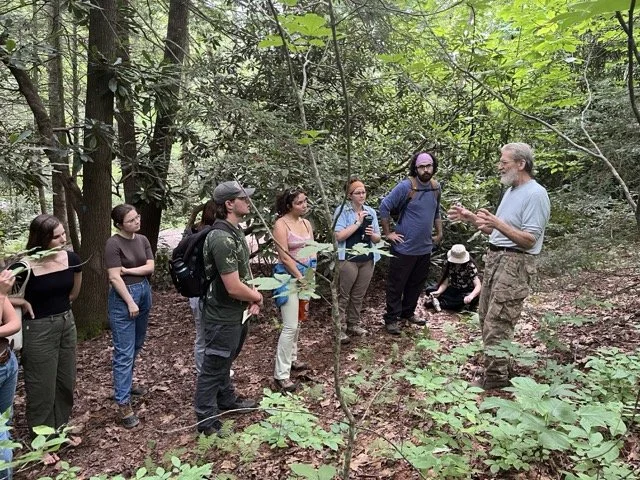
Throughout the course, I learned from biologists, researchers, conservation organizations, and environmental attorneys who work daily to protect the places we all enjoy. I spoke with Jason Love, a Mainspring Conservation Trust board member, about the restoration and stewardship of the Tessentee Bottomland Preserve and the land trust’s partnership with the Eastern Band of Cherokee Indians to steward this special landscape.
Later, I met with Andrew Renfro, Highlands-Cashiers Land Trust’s Land Conservation Director, to learn about their current effort to establish an over 100 acre preserve at the base of Whiteside Mountain. I also spoke with Buzz Williams and Nicole Hayler from the Chattooga Conservancy about the opportunities and challenges facing conservation organizations today and with attorneys from the Southern Environmental Law Center to examine how science, policy, and conservation advocacy come together to shape the future of our public lands.
Every conversation reinforced how meaningful conservation happens through collaboration. I'm incredibly grateful to the staff, instructors, guest speakers, and peers at Highlands Biological Station for an unforgettable experience. I return home with new knowledge, new connections, and an even deeper appreciation for the extraordinary biodiversity of the Southern Appalachians. Most importantly, I return inspired to apply what I've learned to Blue Ridge Conservancy’s work protecting the lands and waters that make our region such a special place to call home."